Crypto Currency Exchange Chart. Ethereum
First Impression: Clean, Conceptual, and Quietly Bold
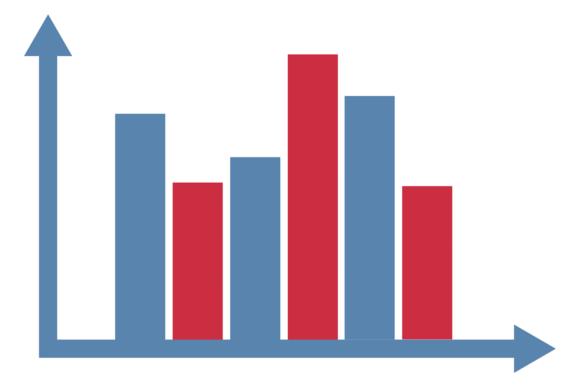
When I opened Crypto Currency Exchange Chart. Ethereum, my first thought wasn’t “Wow—what a stitchable masterpiece!” It was quieter: “This is a smart, minimal infographic that *means* something.” The Ethereum coin icon sits center-frame, surrounded by clean line charts, subtle grid lines, and restrained typography—all isolated on white with transparent PNG support. There’s no clutter, no forced whimsy, no over-rendered 3D effects. It feels like a designer who understands crypto culture but also respects embroidery’s physical limits.
A Real-World Test: Embroidering This on a Linen Tote for a Tech-Friendly Boutique
Last week, I prepped Crypto Currency Exchange Chart. Ethereum for a custom linen tote bag destined for a small shop in Austin—think curated gifts for developers, fintech freelancers, and crypto-curious creatives. Not a flashy merch drop, but a thoughtful, shelf-worthy item. I knew right away this design wouldn’t shine on a toddler onesie or a stretchy cotton tee. But on structured, medium-weight natural fabric? With careful thread choice? Yes—it could land beautifully.
Where It Shines (and Where It Doesn’t)
Crypto Currency Exchange Chart. Ethereum works best when treated like a signature graphic—not a decorative flourish. It’s ideal for:
- Embroidered patches sewn onto denim jackets or laptop sleeves
- Sweatshirt embroidery on left-chest placements (not full-back)
- Tote bag designs centered above the seam, where clean lines read clearly at arm’s length
- Aprons and tea towels for tech-themed kitchens or co-working spaces
- Printable mockups and digital product previews—its SVG and EPS files scale flawlessly
But be cautious with:
- Baby embroidery: Too conceptual for infant wear; lacks warmth or playfulness
- Curved surfaces like caps: Fine line charts may distort unless simplified or re-digitized
- Thin or stretchy fabric: Delicate chart lines demand stabilizer discipline and precise hooping
- Dark fabric backgrounds: The white background in JPG/EPS versions means you’ll need to mask or rework layers—transparent PNG helps, but still requires prep
- Small hoop sizes (under 4”): Tiny grid markers and fine text won’t resolve cleanly without simplification
Stitching Reality Check: What You’ll Actually See on Fabric
This isn’t a dense fill-stitch beast—it’s a line-and-symbol illustration. That means your embroidery file will rely heavily on satin stitch for the Ethereum logo and running stitch or thin fill for chart elements. Stitch density is likely moderate, not heavy—but don’t assume. Always check the actual embroidery file’s properties before stitching. If you’re converting from SVG or EPS, watch for overlapping paths or tiny unconnected segments that cause jump stitches or thread breaks.
I ran a test on midweight linen with tear-away stabilizer and 40wt polyester thread. The coin icon popped cleanly. The chart lines stayed legible—but only because I bumped the line weight slightly in my digitizing software. Out of the box, some details were too fine for reliable stitching. That’s not a flaw—it’s a reminder: Crypto Currency Exchange Chart. Ethereum is an illustration first, an embroidery file second.
Customer Trust & Handmade Presentation
Buyers respond to intentionality. A well-executed Crypto Currency Exchange Chart. Ethereum on a premium tote signals niche awareness—not just “I found a crypto image online.” It tells customers: “This shop gets it.” That builds trust faster than generic fonts or clip-art coins. But get it wrong—fuzzy lines, poor contrast, misaligned charts—and it reads as lazy or low-effort. For Etsy sellers and craft fair vendors, that difference affects perceived value, repeat orders, and word-of-mouth.
It also elevates giftability. A holiday embroidered pillow cover with this design? Perfect for the developer who hates cliché ornaments. A personalized sweatshirt for a blockchain startup’s team retreat? Instant cohesion. Just remember: its strength is subtlety. It doesn’t shout. It invites recognition.
Practical Designer Notes Before You Stitch
- Test on scrap fabric first—especially if using textured weaves or blends
- Check thread color contrast carefully: light gray or charcoal works better than black on off-white linen
- Review stitch density in your embroidery software—look for tight clusters that might pucker or bleed
- Confirm hoop size compatibility; if your machine maxes out at 4x4”, you may need to resize or crop
- Inspect small details like tick marks and decimal points—they often vanish mid-stitch
- Test in black-and-white mockups to gauge readability without color crutches
- Compare light vs. dark fabric backgrounds—transparent PNG helps, but layering still matters
- Use proper stabilizer: cutaway for knits, tear-away for stable wovens, fusible for lightweight linens
- Verify licensing before selling finished products or bundling as digital embroidery files—this is an Illustration/Graphics asset, not inherently a commercial-use embroidery file
Final Thought: A Design That Earns Its Place
Crypto Currency Exchange Chart. Ethereum isn’t for every project. It’s not a quick-add to your next batch of baby onesies or festival patches. But for the right context—a boutique sweatshirt, a tech-themed kitchen towel, a sharp embroidered patch for a conference bag—it adds quiet authority. It’s the kind of design that makes customers pause, recognize, and nod. As a designer and embroidery reviewer, I don’t reach for it often—but when I do, I know exactly why. It’s not decoration. It’s meaning, stitched cleanly.