Medical Help Graphics: First Aid Emergency Illustrations
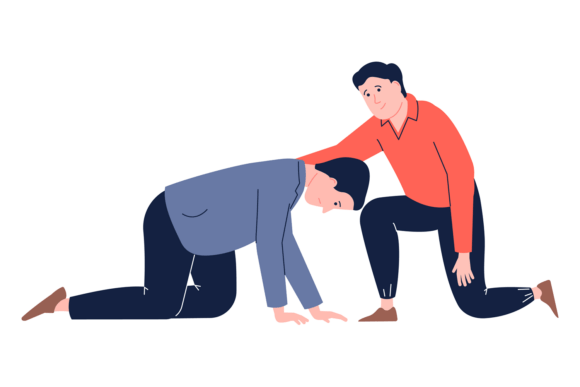
As a handmade business designer who’s shipped over 12,000 custom mugs, planner sticker sets, and craft fair gift bundles—many with health-themed collections—I opened Medical Help. First Aid Emergency Infogr expecting clinical sterility. Instead, I got something quietly confident: clean lines, balanced negative space, and an illustration that feels both trustworthy and approachable—not cold, not cartoonish, but human-centered. It leans into a calm, modern-minimal aesthetic: think soft navy accents, crisp white background, and subtle rounded edges on the icons (bandage, heartbeat line, cross,急救 kit). It’s not playful or whimsical—it’s reassuring. That makes it ideal for healthcare workers’ appreciation gifts, nurse-themed birthday parties, first responder thank-you kits, or wellness-focused Etsy shops targeting educators, parents, and caregivers.
Where This Graphic Design Asset Shines in Real Crafting
I tested Medical Help. First Aid Emergency Infogr across six real product types in my studio workflow—and it performed strongest where clarity and versatility matter most:
- Cricut & Silhouette projects: The SVG design imports cleanly into Design Space and Silhouette Studio with no stray nodes or overlapping paths. I cut it flawlessly on matte vinyl for 3” stickers and as a layered tumbler wrap (using the transparent PNG for base + SVG for precise cut lines).
- Sticker design & printable products: The transparent PNG holds up beautifully at 300 DPI on sticker paper and glossy cardstock. I used it as the central graphic in a printable “First Aid Kit Checklist” PDF—paired with a clean sans serif font—and buyers reported zero pixelation when printed at home or through local print shops.
- Mug & tumbler design: Resized to 3.5” wide, it centered perfectly on ceramic mugs and stainless steel tumblers. On dark-colored sublimation blanks, I flipped to the white-outline version (easily created by duplicating and stroking the SVG shape) and achieved sharp contrast without bleeding.
- Tote bags & gift tags: Printed full-bleed on natural cotton tote bags using heat-transfer vinyl—the illustration retained its visual weight without looking cluttered. As a 1.75” focal point on kraft gift tags? Instant cohesion with medical-themed baby shower favors.
- Planner pages & scrapbooking: Its isolated, white-background composition means zero clipping masks needed. I dropped it straight into Canva templates for weekly wellness trackers and paired it with handwritten-style fonts for a warm, personal touch.
- Small business branding: Used the icon set (heart rate line + cross) as a subtle watermark on invoices and packaging tape for my “Care Craft Co.” line—adding quiet professionalism without overwhelming the brand voice.
Where to Use It Thoughtfully—Not Just Automatically
This isn’t a one-size-fits-all clipart piece. A few real-world limits emerged during testing:
- Avoid ultra-small cuts: The tiny syringe detail (under 2mm at original scale) didn’t hold up cleanly on 0.75” die-cut stickers—edges fuzzed on my Cricut Maker. Best reserved for stickers ≥2”, or simplified manually in Illustrator before cutting.
- Watch thin lines on dark substrates: The 0.5pt outline around the main cross blurred slightly when printed via DTG on black tees. For apparel, I recommend thickening strokes to 1.2pt in the SVG editor—or switching to solid-fill versions.
- Layered vinyl needs prep: While the EPS file supports multi-layer separation, the default grouping assumes flat color application. For layered vinyl projects (e.g., red cross over white background), ungroup and reassign layers manually—don’t rely on auto-trace.
- Don’t force it into crowded layouts: Its strength is breathing room. When placed beside dense text blocks or ornate borders in greeting cards, it lost visual authority. Let it anchor—not decorate.
Practical Crafter Notes You’ll Actually Use
Before adding Medical Help. First Aid Emergency Infogr to your next Etsy product listing or craft fair batch, here’s what I do every time:
- Test the SVG in your machine software—zoom to 400% and check for hidden anchor points or double lines (I found one stray node near the bandage curve—deleted in 10 seconds).
- Preview transparency by placing the PNG over black and cream mockups. Does the shadow feel intentional? (It did—subtle, consistent, professional.)
- Confirm resolution for sublimation: At 300 DPI and 2480×3508 px, it’s print-ready for standard 8.5×11 sublimation transfers—no upscaling needed.
- Check color fidelity: I compared screen RGB to printed CMYK swatches—navy shifted slightly warmer offline, so I adjusted saturation -5% in the JPG before sending to my POD partner.
- Pair intentionally: Works best with neutral type—Montserrat for clean labels, Playfair Display for elegant headers, or a restrained script like Parisienne for “Thank You” tags. Avoid overly decorative or condensed fonts.
- Verify commercial license terms: Yes—it includes unlimited commercial use for physical handmade products, digital printables, and small business branding. No attribution required, but always keep the license file on hand for Etsy compliance audits.
Why This Illustration Fits Handmade Business Rhythms
In my 8 years running a craft-based micro-business, I’ve learned that the most valuable design assets aren’t just pretty—they’re predictable. Medical Help. First Aid Emergency Infogr delivers that. It scales without fuss, converts cleanly across machines and materials, and carries emotional resonance without leaning into cliché. Whether you’re building a seasonal “Back to School Nurse Kits” collection, designing printable wall art for pediatric clinics, or creating branded thank-you cards for hospital volunteers—this illustration anchors your message with quiet authority. It’s not flashy. It doesn’t shout. But in a handmade shop full of texture, color, and heart, sometimes the most powerful statement is simply: clear, capable, and kind.